
Local marketing

UGC for local businesses: what it is, why it works, and how to use it well

UGC guide for local businesses in Spain
Strategic foundations to start UGC in hospitality, aesthetics, fitness, and local retail.

Most local businesses do not need to publish more content. They need to publish more useful content. UGC works when it shows a real experience in context and helps someone decide whether a business is right for them.

What UGC means in a local business context

UGC (User Generated Content) is content created by people who have actually tried, visited, or recommended a business. In local marketing, its value is not polished aesthetics. Its value is answering practical questions: what the place is like, how people are treated, what to expect, and who it is for.

Not every informal-looking post is useful UGC. If content adds no context, feels scripted, or simply repeats sales language, trust drops quickly. The editorial rule is simple: utility before self-promotion.
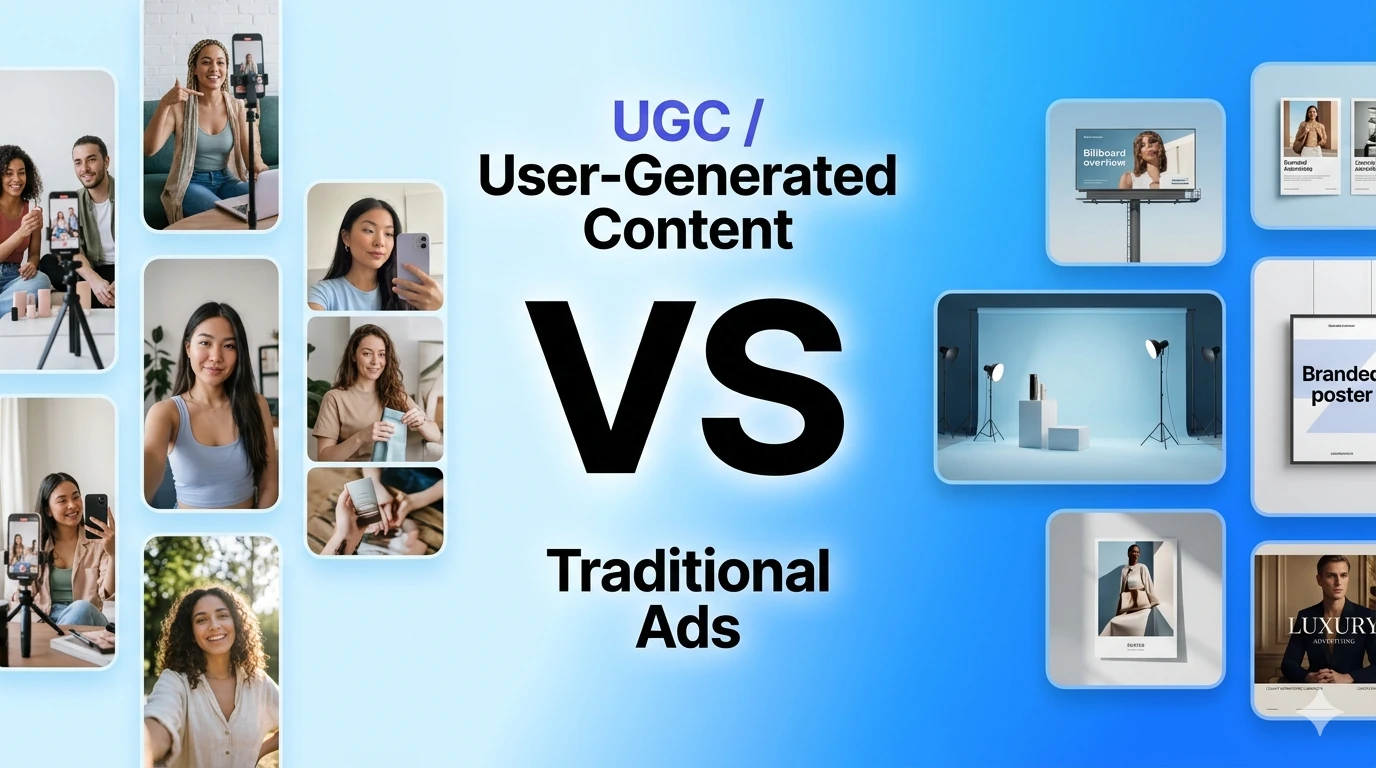
Difference between promotional content and useful UGC for local business
High-performing UGC usually removes friction rather than amplifying slogans.

Why UGC has stronger local decision impact

Local purchase decisions are often made quickly and with limited information. That is why content that reduces uncertainty performs better: a natural visit walkthrough, a short service explanation, or a credible testimonial on timing, service, and outcome.

On trust, the Nielsen Trust in Advertising study (2021) places recommendations from people consumers know among the most trusted ad formats (88%). In Spain specifically, IAB Spain (2025) reports that 48% check social media before buying and 44% say their final decision was influenced by content seen there.

Brand content still matters for positioning, but UGC often provides the decisive layer: social proof in native formats across Instagram, TikTok, and Google surfaces. It does not replace brand communication; it complements what brand-owned messaging cannot validate on its own.

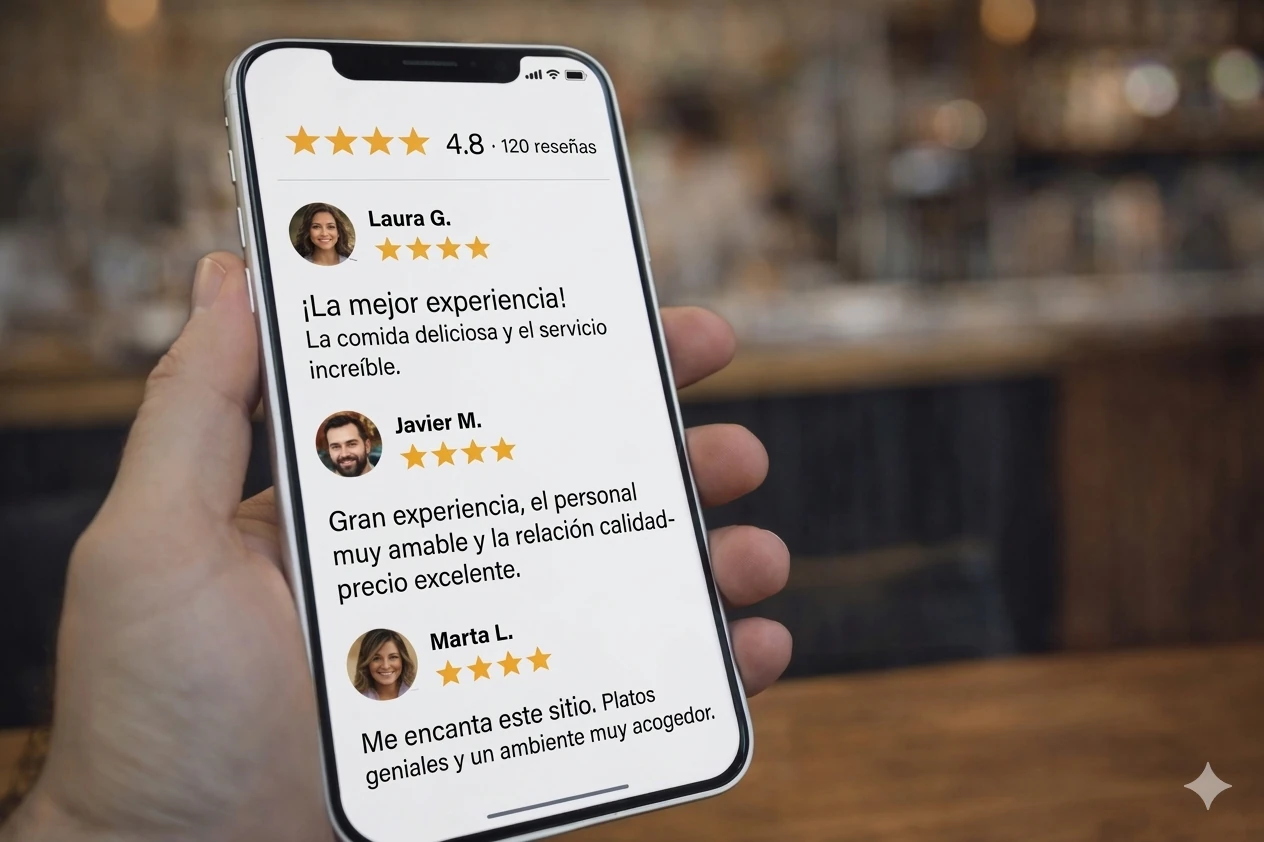
Social proof with ratings and reviews in local marketing
Visible social proof helps reduce purchase uncertainty.

For implementation details, continue with the next article: UGC strategy for local business.

Formats that tend to work well in Spain

These formats often balance cost, speed, and practical business value:

  • Experience walkthrough: arrival, service/product moment, and exit.
  • Responsible before/after: especially relevant in aesthetics and fitness.
  • Short in-context testimonial: 15-30 seconds with a specific, believable outcome.
  • Objection-focused piece: pricing, waiting times, booking process, first visit.
UGC formats for restaurants clinics gyms and local retail
Choosing format by customer objection usually improves relevance.

Common mistakes that weaken UGC performance

The issue is rarely the platform itself. It is usually execution quality. Typical mistakes include:

  • Selecting creators by follower volume instead of local fit.
  • Working without a clear brief: goal, message scope, boundaries, and usage rights.
  • Tracking only views: without linking content to bookings, calls, messages, or map actions.
  • Expecting long-term impact from one post: UGC works better as an editorial sequence.

Where paid collaboration exists, transparent ad labelling is essential. In Spain, many teams align with AUTOCONTROL guidance (Influencer Advertising Code, 2020).

How to start with a professional approach

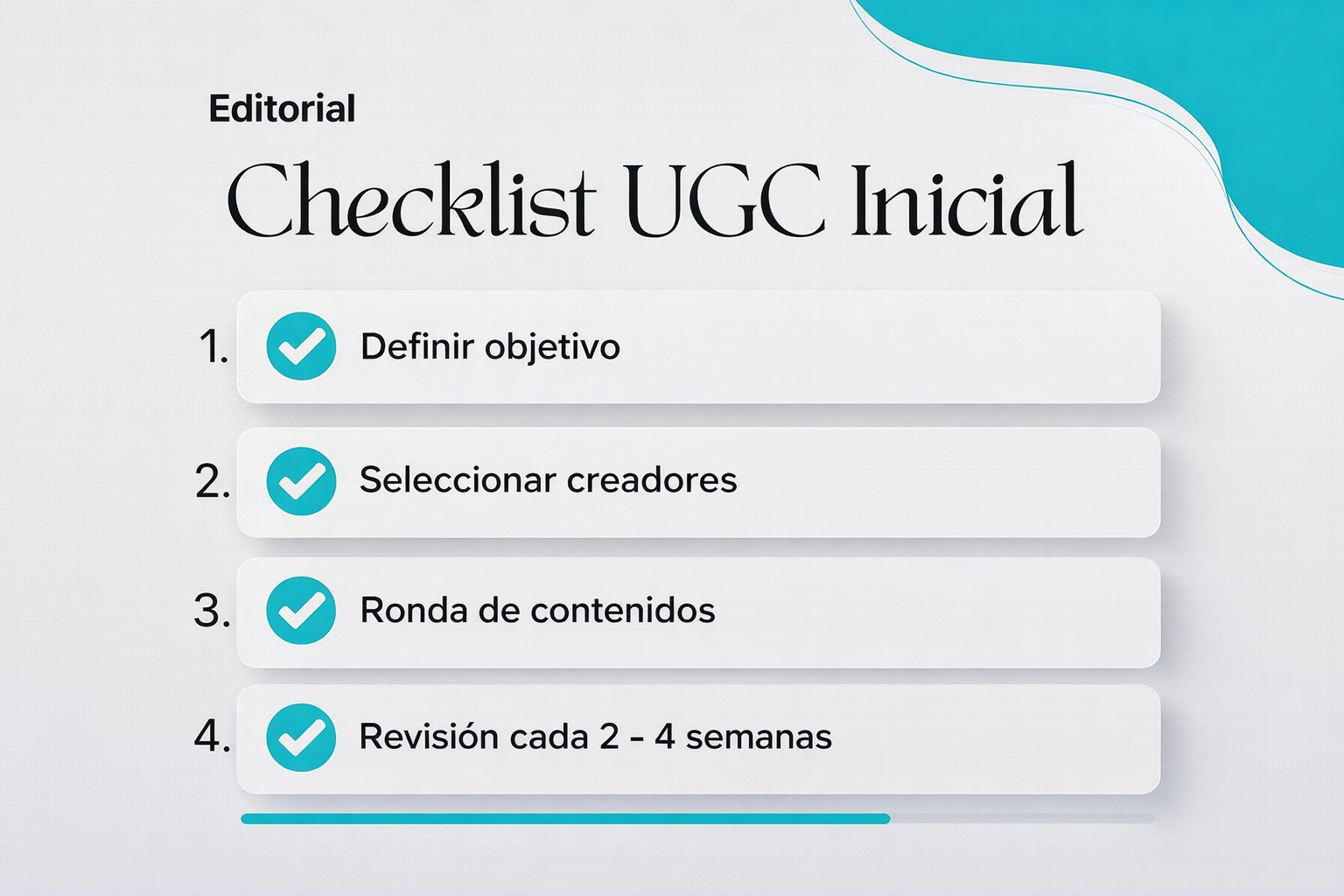
A practical starting sequence for local businesses:

  1. Set one operational objective: bookings, first visits, enquiries, or trial requests.
  2. Select 2-3 local creators aligned with your real customer profile.
  3. Launch a first round of reusable assets: social, website, ads, and Google profile.
  4. Review quality signals every 2-4 weeks: lead quality, response ratio, and useful asset cost.
Starter checklist for local UGC strategy
Start small, measure quality, then scale what is working.

With the process in place, UGC becomes a repeatable local growth asset, not a one-off campaign.

Frequently asked questions

Is UGC the same as influencer marketing?

They overlap, but they are not identical. UGC prioritises content utility for the brand, while classic influencer campaigns often prioritise audience distribution.

How much content is needed to start?

An initial short round with clear objectives is usually enough to validate quality and fit before scaling.

Can very small businesses benefit from UGC?

Yes. In local markets, practical and credible UGC can outperform generic paid content when it is reused across channels.

Next articleUGC strategy for local business: a practical step-by-step method